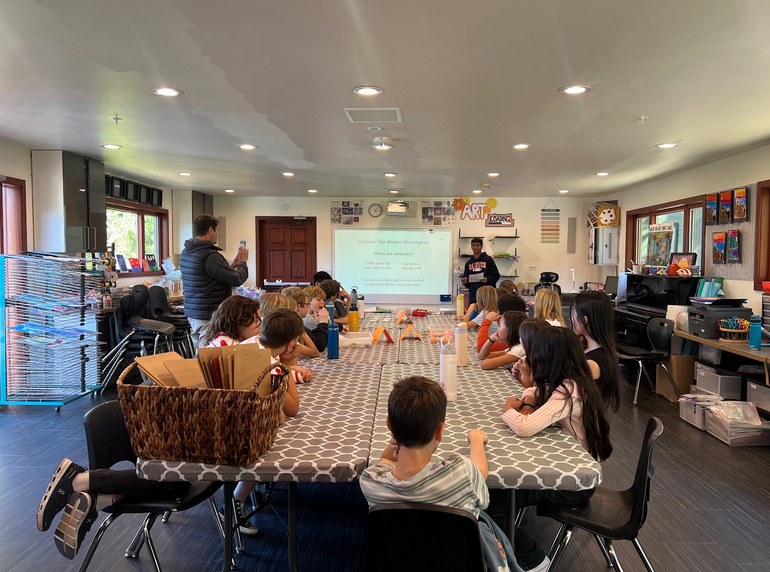
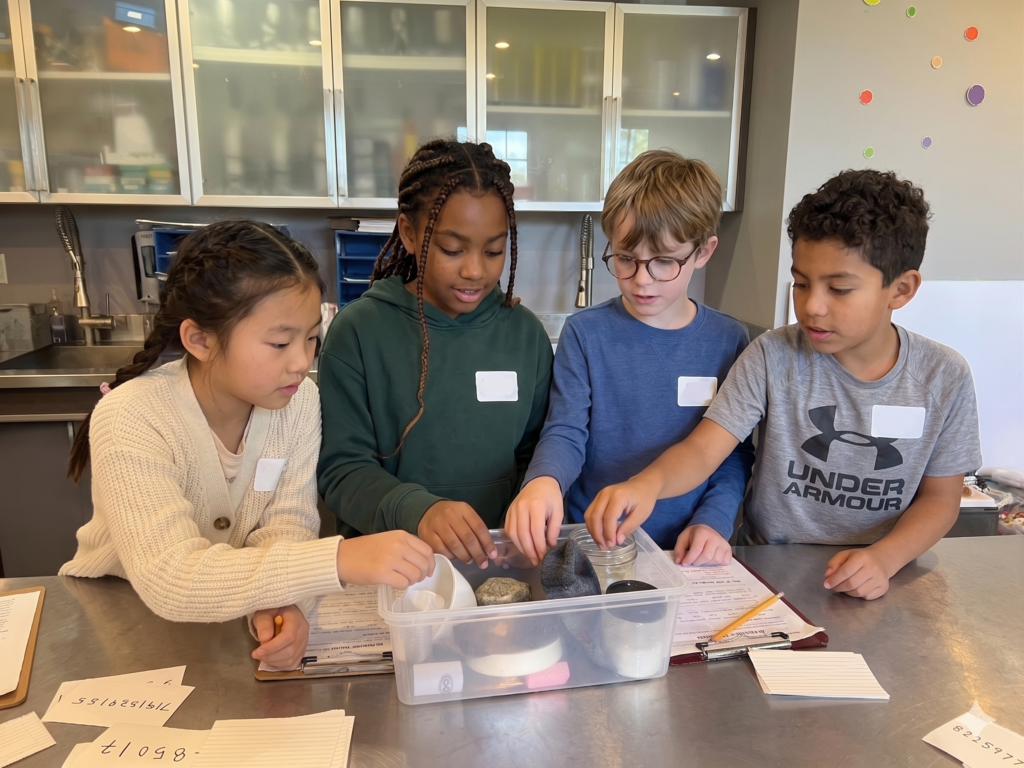
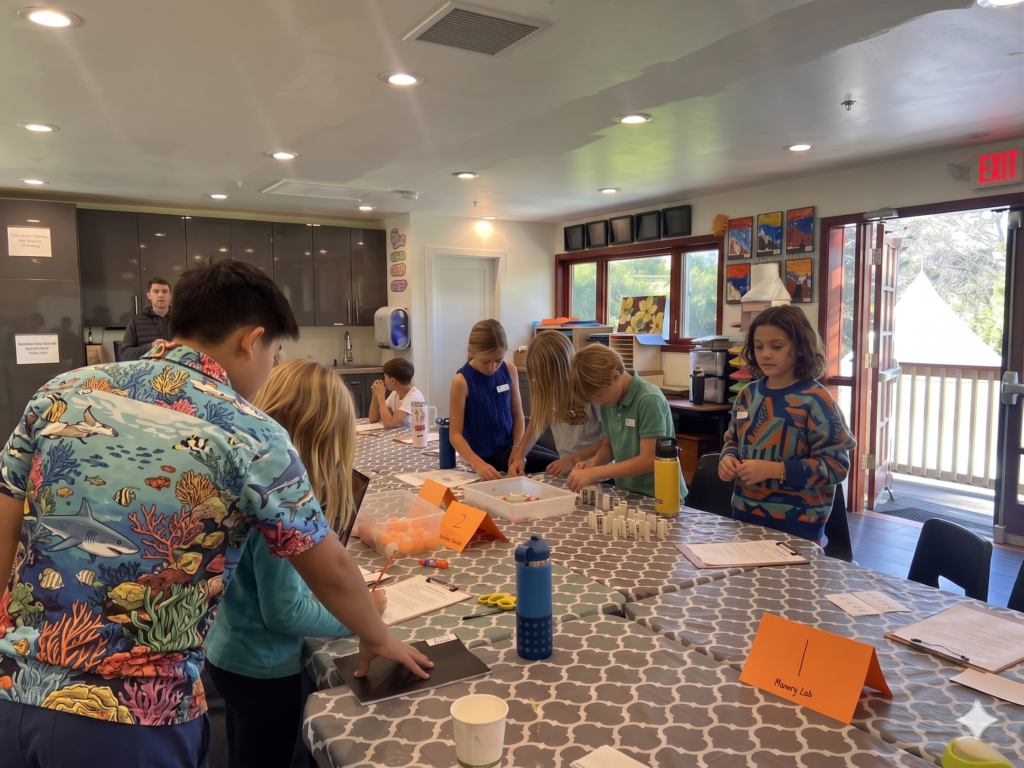
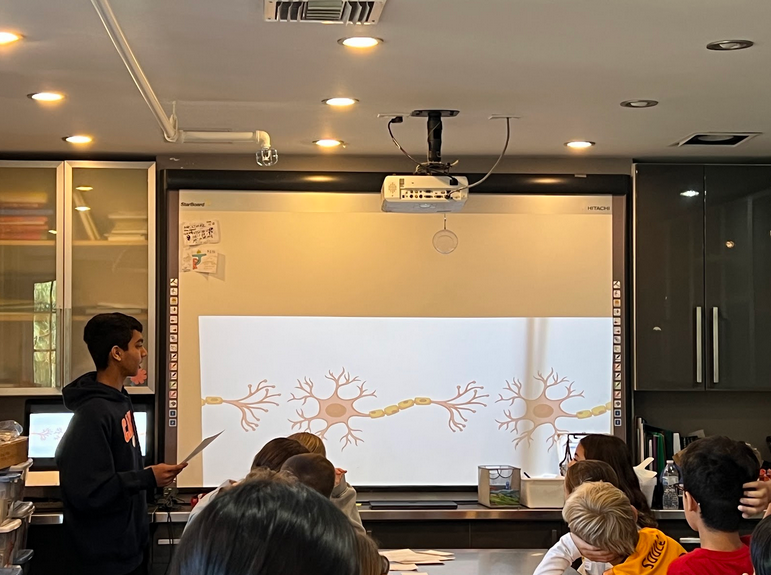
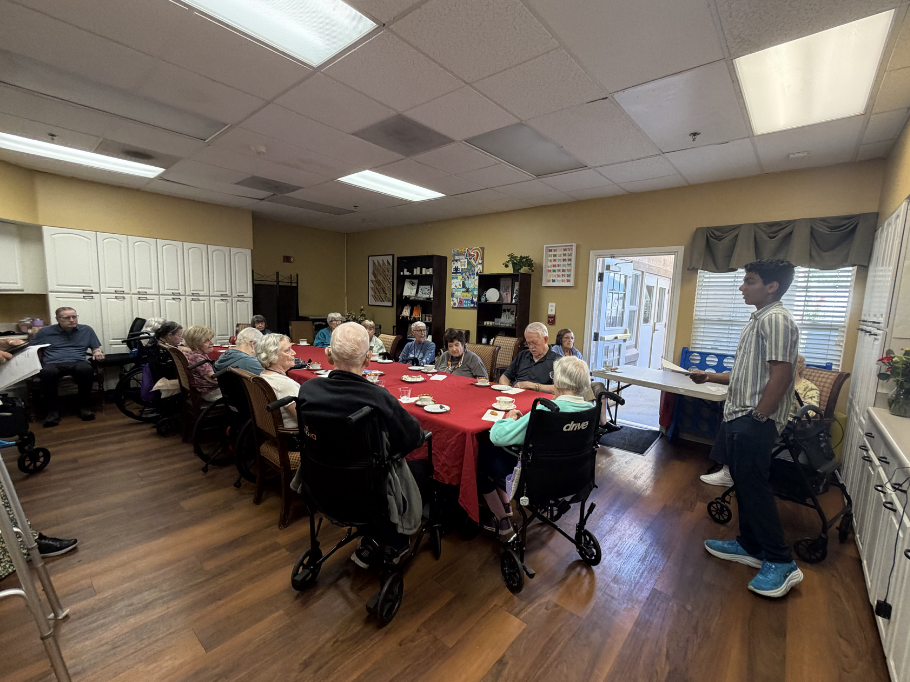
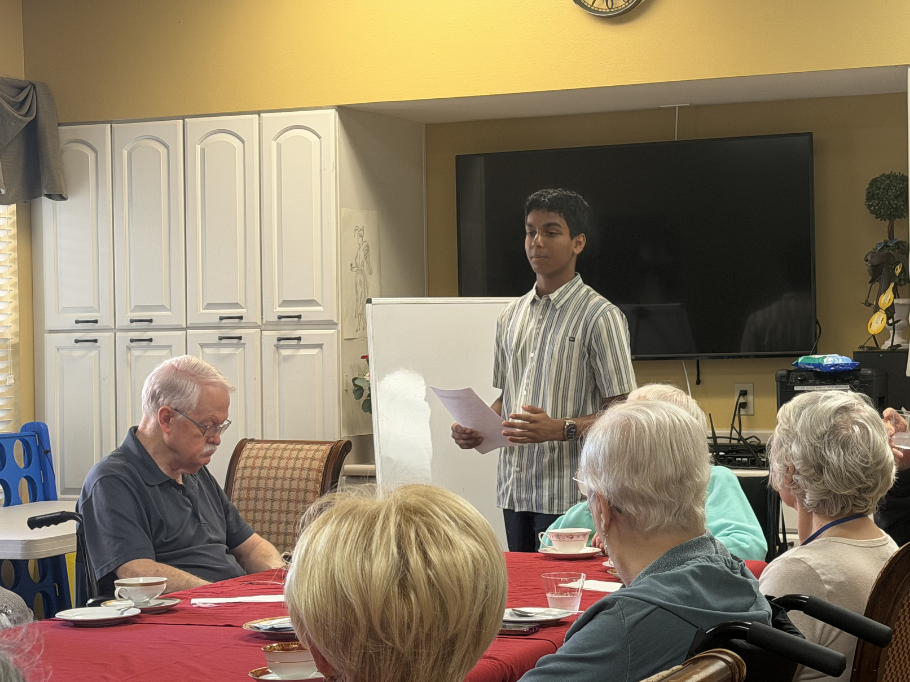
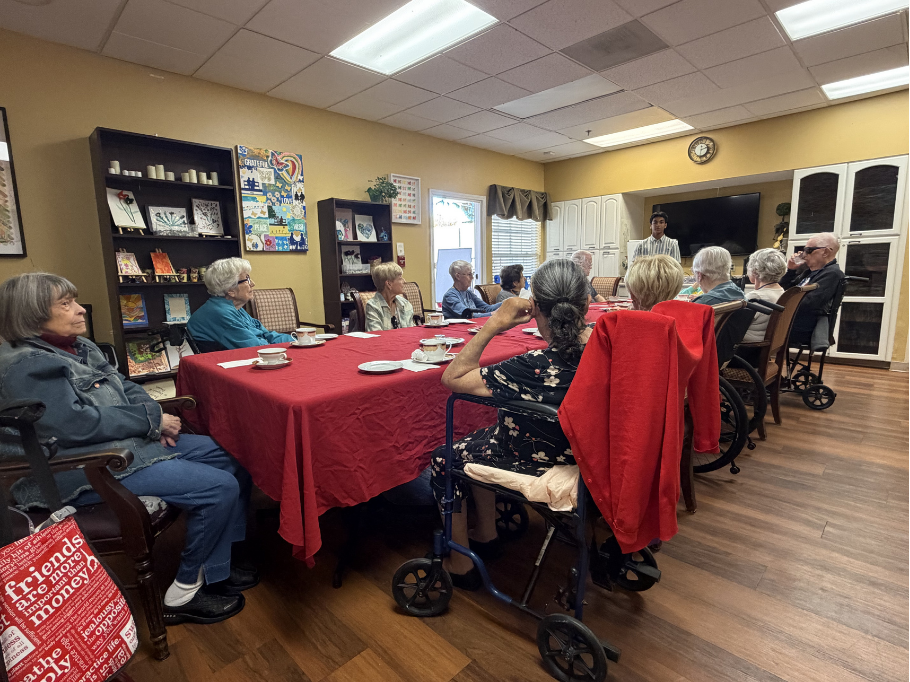
Story Memory Circle. Participants listened to a short uplifting story, then worked together as a group to recall characters, events, and details. They discovered how storytelling and shared conversation strengthen memory.
Pattern Puzzle Cards. Low-pressure visual puzzles invited collaborative problem-solving, highlighting how the brain uses pattern recognition and how teamwork makes challenges more enjoyable.
Music & Memory. Brief clips of familiar songs from the 1940s–1980s sparked song guesses, artist names, and personal memories. This was a vivid reminder of how music activates emotional memory networks in the brain.
Visual Matching Game. After viewing a set of well-known images for 20 seconds, participants recalled as many as they could. Here, we utilized a simple, engaging exercise in active recall and attention.